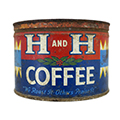
Hacienda de San Antonio (Colima, Mexico)
Hacienda de San Antonio
A 5,000-acre working estate at the foothills of Volcán de Colima, Colima, Mexico. Established 1879 as a prestige coffee plantation; converted to a luxury boutique hotel under Sir James Goldsmith, with coffee and cheese production continuing today on the adjoining ranch.
Not to be confused with San Antonio, Texas — named for its Mexican state.
Coffee history
Founded 1879. At its peak, the plantation extended “nearly two hours toward the coast,” drawing on the volcanic soil of Rancho Jabalí. The estate’s beans were served exclusively at the New York Waldorf Astoria and consumed by the German Imperial family — two provenance claims that place it among the most prestigious 19th-century Latin American coffees on record.
The plantation “withstood wars, and outlasted volcanic eruptions” before eventually changing hands and being acquired by Sir James Goldsmith, who transformed the utilitarian storehouse and machinery structures into guest suites. The estate remains under Goldsmith family stewardship.
Active production — Beneficio de Café
Coffee processing continues on-site. The “Beneficio de Café” workshop takes cherries harvested on the ranch through drying and roasting on the premises. Rancho Jabalí also produces cheese (smoked gouda, parmesan, and over a dozen other varieties), jams, honey, essential oils, and soaps.
Coffee & Cheese Tour
- Duration: ~1 hour
- Capacity: 6–12 persons
- Times: 11:00 and 13:00
- Itinerary: Beneficio de Café workshop → production areas (jams, honey, oils, soaps) → cheese production at Rancho Jabalí → on-site tasting
No pricing published on site.
Property
22 suites + 3 grand suites; river, volcano, or garden views. Architecture: Catalan vault brick ceilings, volcanic stone fireplaces, Portuguese handwoven rugs, gardens designed after Spain’s Alhambra. Sister property: Cuixmala (Pacific Coast). Condé Nast Traveler Gold List, 2020.
Significance for H&H research
An example of 19th-century Mexican/Latin American coffee production that reached elite North American and European markets. The Waldorf Astoria and German Imperial provenance illustrates the prestige tier of specialty coffee supply chains that H&H-era US roasters were drawing from. The active Beneficio de Café also models what an intact pre-industrial coffee processing workflow looks like.
See also
- [[coffee-history]] — Latin American coffee origins and trade routes (stub)
- [[bakke-coffee-museum]] — contrast: collecting machines vs. living production
- [[the-roasterie]] — parallel origin-story anchored to a specific farm visit