A Week of Structure — and the Hayman Years, Reopened
Two weeks ago we published Two Things Changed This Year — a note on clearing the newspaper backlog and standing up the lemon wiki. This post is the weekly counterpart: what changed on the site between May 19 and May 26, and what the wiki learned in the same span.
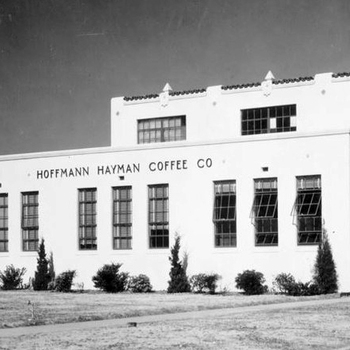
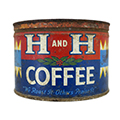
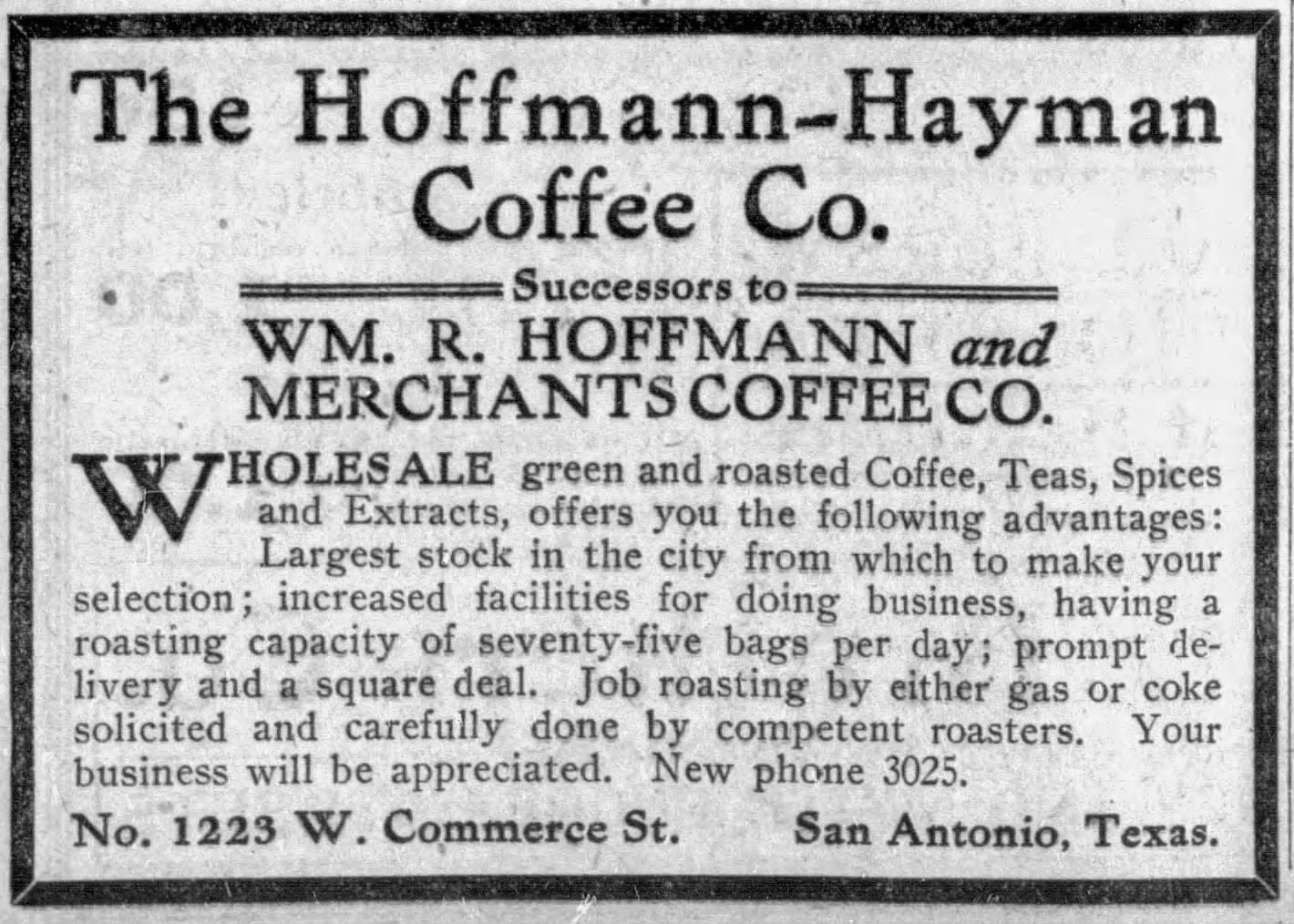
The headline on the research side is not a tin or a brand crop. It is W. E. Hayman’s path into San Antonio — riverboat co-owner in 1890, merchant in Letart in 1897, mortgage creditor against Western Coffee in February 1910, founder of Merchants Coffee by April 1910, and president of Hoffmann-Hayman two years later. That arc was scattered across open questions for months. This week it snapped into a single, sourced chain.
Site improvements
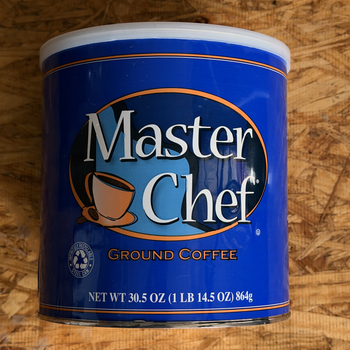
Newspaper gallery, split by factory era. The /galleries/newspaper/ index had grown to 494 clips on one page — slow to load and hard to browse by period. It is now a landing page linking to eight era galleries aligned with headquarters chronology: predecessor / Western Coffee (1899–1911), founding at 1223 W. Commerce (1912–1916), Medina Street (1917–1922), Burnett peak (1923–1931), 601 Delaware and Crystalvac (1932–1944), Master Chef (1945–1962), Continental era (1963–1989), and retrospectives (1990–present). Every clip artifact was migrated to the correct era slug; inbound links across the site were rewritten. Gallery images now use loading="lazy" site-wide.
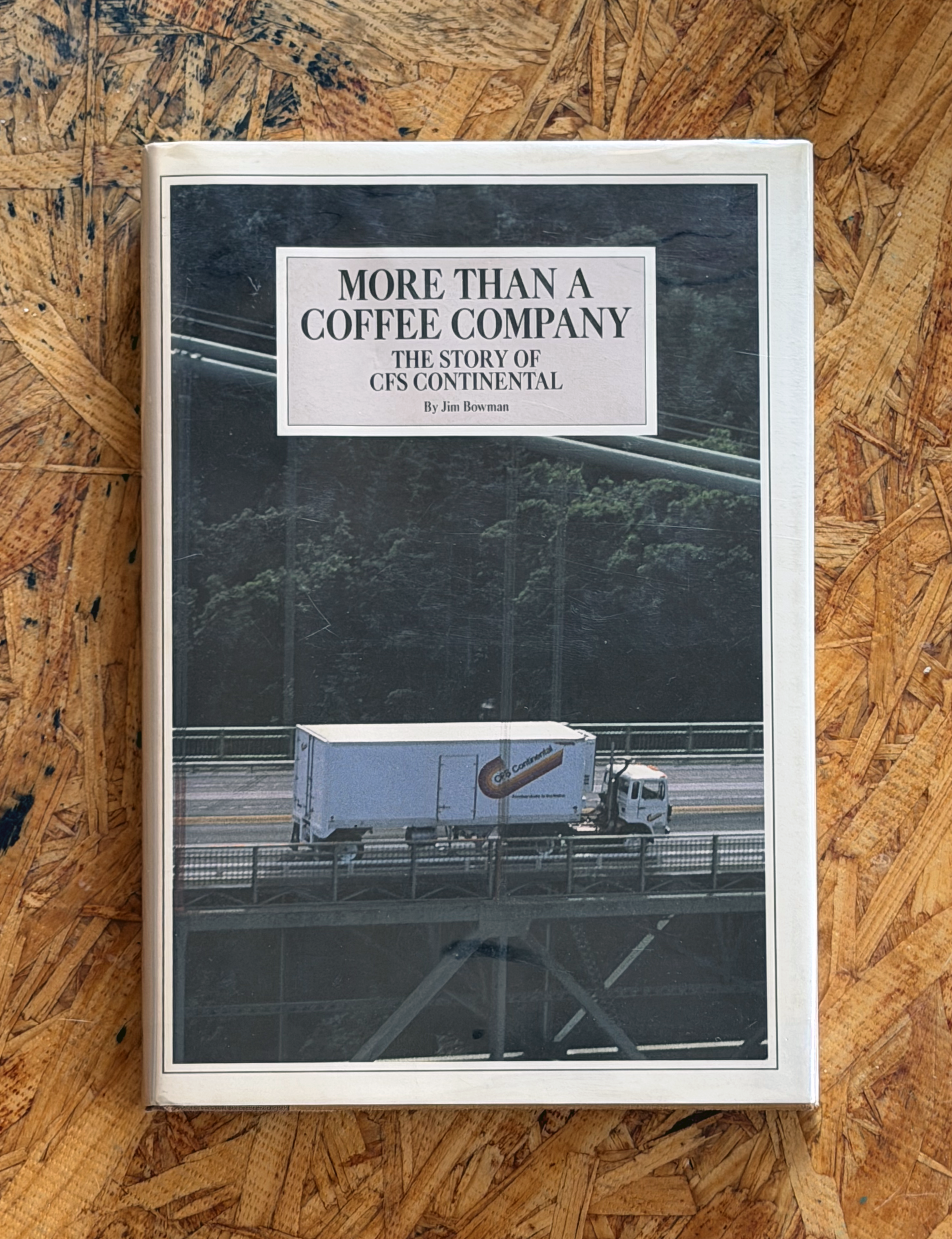
Library section. The public site gained a Library section: collector guides for books and catalogs in the research corpus, cover-sourcing notes, and a prioritized purchase list for gaps we still want on the shelf. The KB’s library/ bucket and HH-LIB-* artifact IDs were aligned in the same push.
Item guides as a collection. Physical-object research pages in the KB (items/) now project to /items/:slug/ on the site, with navigation and cross-links wired through the build pipeline — the same pattern we use for people and companies.
Wiki buckets reorganized. Long-range planning pages were split out of operations/ into a dedicated future/ bucket; operations/ now holds only current how-to material (permits, tax credits, SAPL research tools, and similar). Oral-history work for the narrative book moved to book/. The index, SCHEMA, and hundreds of cross-links were updated to match.
Lint and link hygiene. We ran multiple full passes of the wiki linter — including the committed elixir scripts/kb_lint.exs over entity directories (227 pages, zero defects on the last run) and Python passes over the full compiled surface (~300 pages). Broken links from the operations/ / future/ split were auto-fixed in bulk. A heuristic audit created 17 missing-concept pages (Louis B. Menger, Alfred Giles, Fort Sam Houston, the 1962 Continental acquisition, Tejano market synthesis, and others) where the graph referenced names that had no home page yet.
Deploy reliability. Large S3 syncs during rake deploy had been failing around 80–85% with streaming checksum errors. The push script now retries idempotent syncs and uses checksum settings compatible with the AWS SDK — deploys still take patience, but they finish without manual babysitting as often.
Scale. The curated wiki surface is now on the order of 300 compiled pages (up from ~144 when we wrote the spring progress note), plus accession records and clip artifacts behind the galleries.
Research: the Hayman founding chain
The week’s largest ingest batch targeted the gap before Hoffmann-Hayman — the years when Hayman was in San Antonio but not yet merged with W. R. Hoffmann.
Pre-Texas biography, resolved. FamilySearch record LZVM-GXZ (treated as mixed reliability against primary sources) gave a birth date and place: 22 July 1865, Letart Falls, Ohio — the community on the Ohio River that straddles the West Virginia line, which explains decades of newspaper copy calling Hayman “of Letart, W. Va.” Two pre-Texas clips anchor his occupation before San Antonio:
- October 1890, Pittsburgh Post: Hayman is named as one of the owners of the towboat Bob Ballard on the Kentucky River, departing with his wife.
- April 1897, Cincinnati Enquirer: he registers at the Palace Hotel as a merchant of Letart.
His father W. T. Hayman ran a general store at Letart from at least the 1870s — documented on a surviving stoneware jar in the collection. The generational thread from merchant father → merchant son → Merchants Coffee Company is now explicit on the Merchants Coffee page.
Western Coffee and the 1910 foreclosure. Six clips from 1907–1914 flesh out William R. Hoffmann’s importer ads beside Western Coffee’s roaster solicitations, Dechman Coffee’s 1907 fire (Western and Holland Tea shared plant capacity during rebuilding), and Wedemeyer’s 1909 call for investors. The pivotal clip is 19 February 1910: “W. E. Hayman vs. Western Coffee Company et al, suit on note and to foreclose mortgage.” Hayman was Western’s creditor, not a bystander, months before Merchants Coffee appears in print.
Merchants Coffee, dated. New earliest San Antonio attestation: April 1910 — Merchants’ Coffee listed as a new member of the Retail Merchants’ Association, two months after the foreclosure filing. A December 1911 lost-horse notice documents horse delivery and phone New 3025 — the same number Hoffmann-Hayman still used in the 1917 Morrison acquisition announcement. A December 1912 road-bonus subscription list places Merchants’ Coffee Co., Merchants’ Transfer Co., Hoffmann-Hayman, and Morrison Coffee as separate legal subscribers in one snapshot.
Working hypothesis (flagged as such in the wiki): Hayman founded Merchants Coffee from assets or relationships acquired through the Western Coffee foreclosure, then merged with Hoffmann in 1912. The two-month gap between suit and RMA membership is the tightest evidence we have.
Parallel “Merchants” names, disambiguated. A separate Merchants’ Coffee Co. of New Orleans, Ltd. (B. C. Casanas, president) advertised in the Gulf South from March 1904 onward — Union, Alameda, Yuno, Victory, and Clipper brands — with no connection to Hayman or San Antonio. Together with Kansas City (1870) and Martinsburg, WV (1917) instances of “Merchants Transfer,” the name was a generic Gulf South and national convention, not proof of a hidden corporate link.
Merchants’ Transfer and El Paso Western Coffee. Four more clips trace Merchants’ Transfer Company at 510–514 Dolorosa (phone 359) as the San Antonio delivery agent for a second Western Coffee operation based in El Paso (legally F. E. Warren Coffee Co., renamed Western Coffee in 1922). That disambiguates the San Antonio Western Coffee Hayman sued from the El Paso firm that later used the same trade name and “Statesman Coffee” branding.
All of this is compiled on W. E. Hayman, Merchants Coffee Company, Western Coffee Company, Merchants’ Transfer Company, and the new Merchants’ Coffee Co. of N.O., Ltd. page, with clips in the 1899–1911 newspaper gallery.
Corrections and naming discipline
William P. Hoffman, retracted. A December 1932 News “Tiny Roaster” feature listed “William P. Hoffman, vice president.” We briefly created a person page. Curator review showed it is the same R → P compositor error already documented for W. R. Hoffmann’s middle initial elsewhere. The vice president in 1932 was Minnie Menger Schlosser, the founder’s widow — consistent with 1922, 1923, and 1934 rosters. The phantom page was deleted; the clip transcription stands as printed with an explanatory note.
Chris M. Jasso. Two clips on file already carried the middle initial M. (1959 La Villita contest credit; 1971 pallbearer roster). The people page was renamed to Chris M. Jasso to match repo convention for documented initials. PDF and post filenames from 1923 and 1959 were left unchanged — they are stable asset identifiers, not personal-page slugs.
What comes next
Several draft posts from the inbox batch still need header cleanup or manual transcription (1922 Hayman realty, 1916 Manufacturers Club, and others in _drafts/). The See Also graph still has hundreds of intentional hub-and-spoke asymmetries — fine for navigation, not worth mass-editing. Open questions on Hayman include the FamilySearch death-date conflict (9 June vs. 9 August 1924) and whether forensic evidence ever confirms which Western Coffee assets changed hands in 1910.
The site is easier to browse by era, easier to deploy, and harder to break with a bad link. The Hayman years before the merger are no longer a blank on the timeline — they are a documented sequence with clips, hypotheses, and explicit uncertainty where the record stops.
Compiled from the knowledge-base operation log (log.md, 2026-05-19 through 2026-05-26) and KB pages cited above. Corrections welcome via the contact paths on the site.